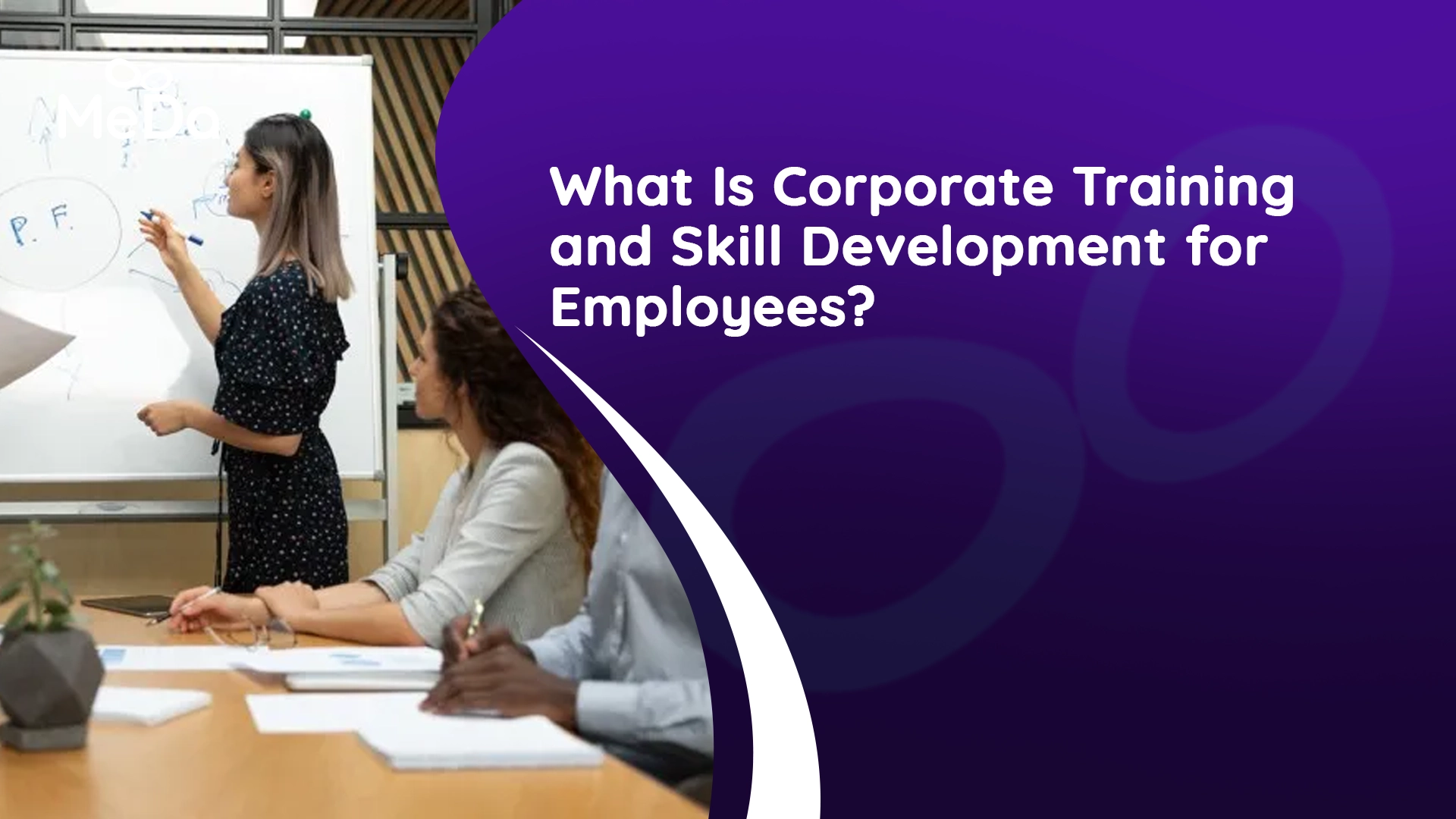
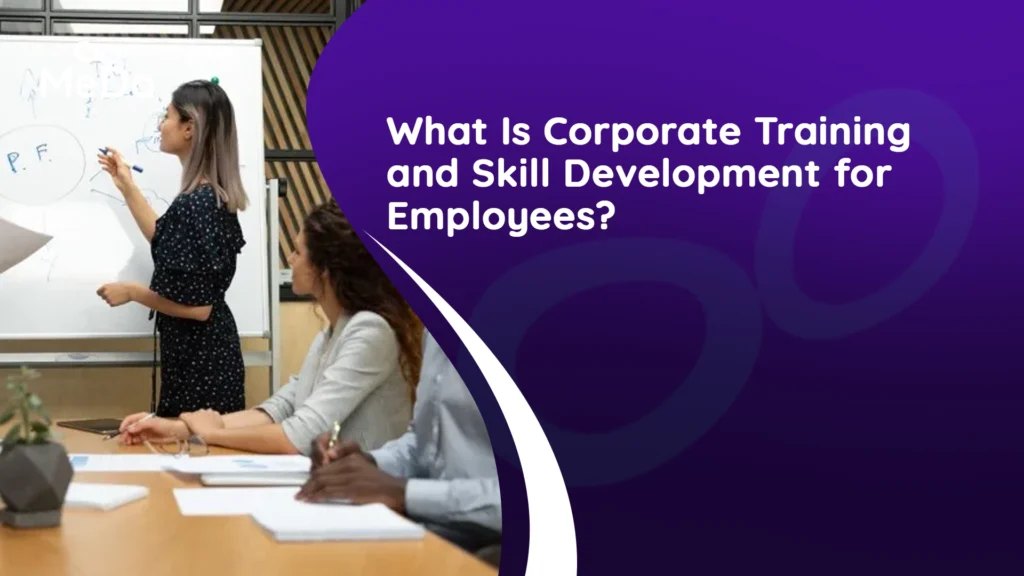
In the current fast-paced world of business, businesses cannot rely on the old knowledge or ways of working. Technology, customer requirements, and market trends are evolving every single day. This is why employees must also keep developing and learning. This is the reason why training for employees and their training for Skill Development for Employees.
Simply put, corporate training and development of skills is the method by which employers help employees acquire new skills, enhance their existing abilities, and become more efficient at their jobs. It’s not just about raises or promotions. It’s about making employees feel confident and competent, as well as ready to face the future.Skill Development for Employees

Understanding Corporate Training and Skill Development for Employees
The term “corporate training” and development refers to structured training programs offered by businesses to enhance the performance of employees. These programs are for experienced employees, freshers, as well as managers or leaders.
The primary goal is to support employees:
- Develop job-related skills
- Increase productivity and increase confidence
- Be flexible with new tools and techniques
- Professionally and personally, you can grow.
When businesses invest in training and Skill Development for Employees, they invest in their employees. Employees with a high level of skill perform better, are less likely to make mistakes, and can contribute to the business’s success.
Why Corporate Training and Skill Development for Employees Is Important
A lot of people believe that training is only for employees who are new. This isn’t the case. Learning should continue throughout all stages of your career. Skill Development for Employees are essential as they keep employees informed and engaged.Skill Development for Employees
to unlocking the secrets of human behavior are some basic reasons to consider it:
- Aids employees to remain relevant in their jobs.
- Improves efficiency and quality of work
- Builds employee confidence
- Reduces employee turnover
- It creates a strong culture of learning
Companies that are focused on the development of employees’ skills will be more successful over the long term because their employees are always ready to adapt to changes.
Types of Corporate Training and Skill Development for Employees Programs
There are a variety of training programs that are based on the requirements of employees as well as company objectives. They were designed with the intention of being easy and practical. They are also useful in fostering a High-Performance Work Culture in Corporates, helping employees perform at their best while aligning with organizational goals.
1. Onboarding and Induction Training
The training is provided to employees who are about to become part of the company. It assists them in understanding the culture of the organization, the procedures, and the responsibilities.
Training on the way to the board:
- Reduces confusion for employees who are new to the company.
- Develops confidence from day one
- Improves performance from the start
This is the initial step in the corporate education and development for every employee.
2. Technical Skill Training
Technical skills are specific to the job and are necessary to do the job effectively. These abilities are contingent on the job and the industry.
The focus of technical training is:
- Tools and software
- Industry-related information
- Process improvement
Regular technical training is a great way to support professional growth and allows employees to stay informed of industry developments.
3. Soft Skill Development for Employees
Soft abilities are communication and personal abilities that allow employees to work effectively with other people. These skills are crucial in every job.
Soft skills training includes:
- Communication skills
- Collaboration and teamwork
- Time management
- Problem-solving
The soft skills of a strong employee improve interpersonal relationships in the workplace and aid in the improvement of employee skills.
4. Leadership and Management Training
Leadership training is designed for people who are in charge of teams or are in the process of preparing for leadership positions.
This training assists in:
- Decision-making skills
- People management
- Conflict resolution
- Strategic thinking
Leadership training plays a crucial role in long-term employee development.
5. Continuous Learning Programs
Learning shouldn’t stop. Learning programs that continue to help employees improve their skills frequently.
The available programs comprise:
- Online courses
- Seminars and workshops
- Sessions to refresh your skills
Continuous learning helps strengthen the training of employees and their development of skills, and helps employees be prepared for roles in the future.
Read More What Is a Leadership Driven Workplace Culture? Easy Guide for Job Seekers
Benefits of Corporate Training and Skill Development for Employees
Employees benefit from many advantages when employers invest in education. These benefits extend beyond the performance of their jobs.
A few of the benefits are:
- Better job confidence
- Better performance
- Career growth opportunities
- More satisfaction with work
If employees are aware that their employer supports their professional development, they feel valued and encouraged.

Benefits of Corporate Training and Skill Development for Companies
Training is not just for employees but also aids in helping businesses grow stronger and become more competitive.
Companies reap the benefits of:
- Productivity increases
- Reworked and reduced errors
- More retention of employees
- Skill Development for Employees
- Better company image
A well-trained workforce is a key component of long-term workforce development and ensures business stability.
How Corporate Training Improves Employee Performance
Training can help employees comprehend their tasks better. It provides them with the ability to see clearly, with direction and a sense of security.
Training for companies and development of skills enhances performance through:
- Practical job skills are taught through teaching
- Reduced confusion and errors
- Improved speed and accuracy
If employees are aware of what they need to perform and the best way to perform it correctly, the performance of their employees naturally increases.
Role of Skill Development for Employees in Career Growth
The development of skills plays a crucial role in achieving career success. Employers with up-to-date skills are offered better growth opportunities.
The development of skills helps employees:
- Assume new responsibility
- Qualify for promotions
- Change to more rewarding roles
Companies that are focused on the development of employees’ skills make loyal employees who develop with the company.
Corporate Training and Skill Development in the Digital Age
Technology has revolutionized the method of delivering training. Digital platforms help learners learn faster and more adaptively.
Modern methods of training include:
- Online learning platforms
- Virtual classrooms
- Training sessions that were recorded
Digital learning facilitates ongoing training for employees and skills development without affecting daily activities.
Challenges in Corporate Training and Skill Development
Although it is crucial to train employees, companies can face difficulties.
Common problems can be found in:
- Insufficient interest of employees
- Poor training content
- Time constraints for training
These issues can be resolved by making training accessible, easy, and relevant to daily work.
How Companies Can Improve Corporate Training Programs
In order to make training efficient, businesses should concentrate on relevance and quality.
Simple steps to follow include:
- Understanding the learning needs of employees
- Using real-life examples
- Encourage feedback
- Providing regular learning opportunities
Effective training programs in companies with the best work culture promote professional development and build trust among employees.
The Future of Corporate Training and Skill Development
The future of learning is constant and personal. The focus of companies will be on the needs of each learner.
Future trends may include:
- Learning paths that are personalized
- Training based on skills
- The focus should be on the long-term worker development
Businesses that can adjust to these trends will stay ahead of the competition.

Conclusion
Training and development of skills can no longer be an option for companies that want to succeed and grow. It aids employees to improve their capabilities, increase confidence, and create better career paths. While at the same time, companies can create a skilled, strong, and motivated workforce. Learning and development, Skill Development for Employees, and the development of their professional skills can lead to improved performance and long-term prosperity. If companies invest in people, then they invest back into the business. Training results in a win-win for both the employees and the organizations.Skill Development for Employees
Frequently Asked Questions (FAQs)
1. What exactly is corporate training and development of skills in a few words?
Training for employees and development of skills involves giving employees new abilities and enhancing their existing abilities to enable them to perform their jobs more effectively. It is focused on learning, development, and improvement in performance within the business.
2. Why is training for corporate employees important for employees?
Training keeps employees up-to-date as well as confident and competent. It aids in the development of employees’ skills, enhances their job performance, and can lead to greater career prospects within the company.
3. How can Skill Development for Employees aid companies in growing?
Skills development increases employee productivity, decreases errors, and creates a stronger workforce. This helps in long-term employee development and helps businesses stay competitive in the market.Skill Development for Employees
4. Does corporate training only apply to new employees?
The truth is that corporate training isn’t accessible to everyone. Staff members who are experienced, freshers, and leaders alike require ongoing training for professional growth and improvement in performance.
5. What is the frequency at which companies should offer training to employees?
Training should be continuous. Regular training sessions can help employees refresh their skills, adapt to changes, and support the continuous training for the company and the development of their skills to ensure long-term success.